Published 19th Oct 2026 | By daisy@citcom.co.uk
Est. reading time: 3 mins read

Vibe Coding: The Developer’s New Superpower (But Not a Replacement)
Published 19th Oct 2026 | By daisy@citcom.co.uk
Est. reading time: 3 mins read
You’ve probably heard the term “vibe coding” being thrown around more and more. It sounds like a very relaxed way of programming and, in some ways, it is. But does that mean developers are becoming less important? I don’t think so. If anything, I think AI is changing what being a developer actually means.
What is vibe coding?
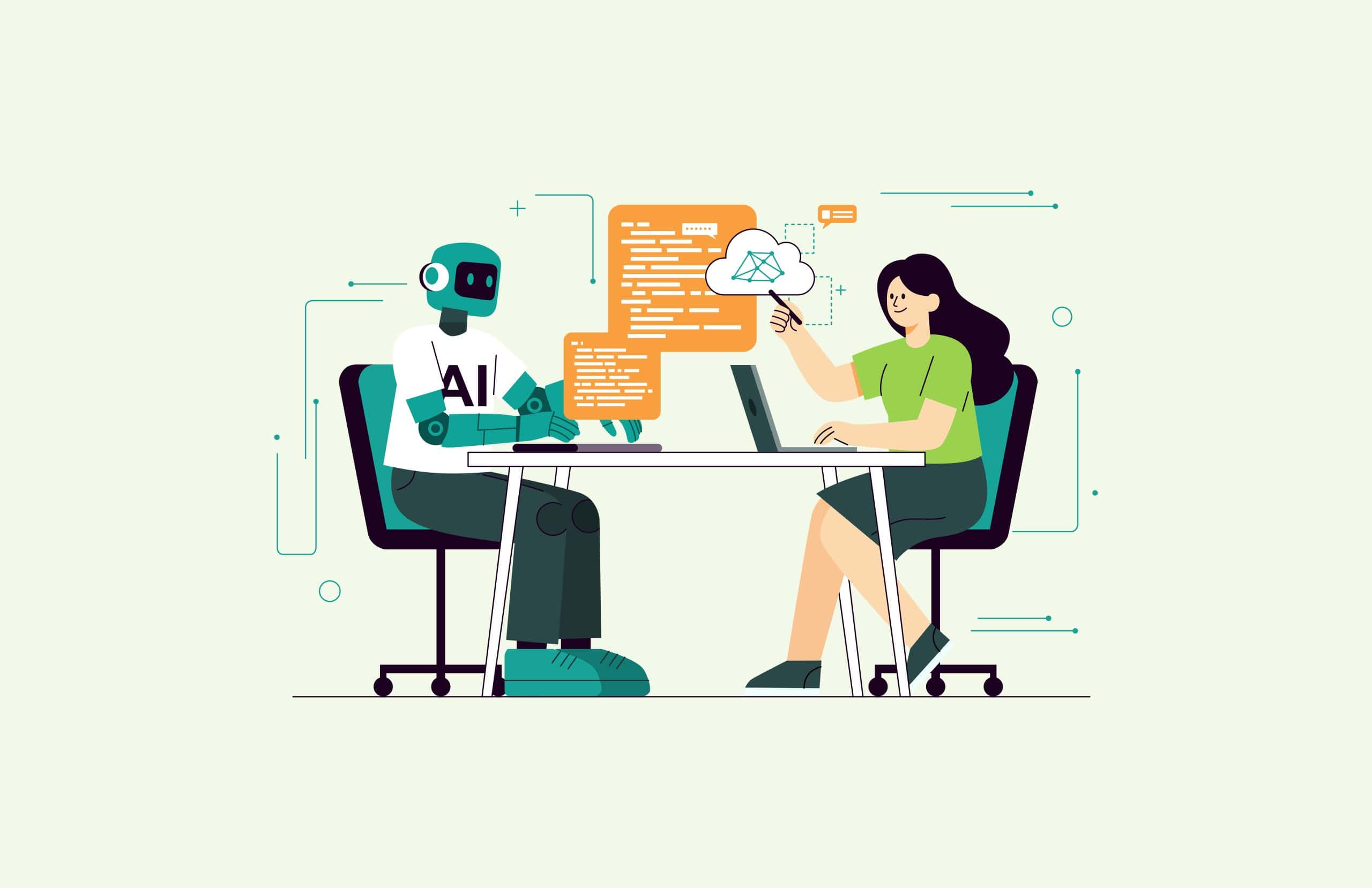
At its simplest, vibe coding is using AI by describing what you want rather than manually writing everything from scratch. For example, instead of spending time working out exactly how to structure a particular piece of code, you might explain the functionality you need and ask AI to create a starting point. From there, you can test it, make changes, ask questions and refine the result.
It can make development feel much faster, and when you’re still learning, having something that can explain why a particular piece of code works can be incredibly useful.
But here’s the catch…
There’s a big difference between using AI to help you code and letting AI do all the coding for you. AI can produce code that looks completely reasonable while still being the wrong solution. It might be unnecessarily complicated or create something that works on one screen size but breaks on another. It might even introduce accessibility issues, security problems or conflicts with the rest of the website.
That’s why being able to read and understand the code you’re working with is incredibly important. You can spot when something has gone wrong if you understand what the code is supposed to be doing in the first place. For me, that’s one of the biggest reasons why knowing the fundamentals is essential.
Where AI can help
There are plenty of areas where AI can genuinely make a developer’s life easier:
- It speeds the boring and repetitive bits, freeing up time for the parts of a project that actually need human judgement.
- It lowers the barrier to unfamiliar territory. An AI assistant can help you get your head around an unfamiliar concept or technology faster than trawling through documentation from scratch.
- It’s a useful second pair of eyes when debugging. Pasting an error message or a confusing bit of legacy code into an AI chat often surfaces the likely cause in seconds, genuinely useful when you’re under time pressure.
- It helps you when you’re stuck. AI can give suggestions or point you towards a potential solution. That doesn’t mean you have to use its answer exactly as it is, but it’s useful sometimes to get a different way of looking at the problem.
Development is about more than code
Working in an agency environment makes this particularly interesting. A website has to work alongside the design, branding, content and wider marketing strategy. A developer needs to understand what the website is trying to achieve, who it’s for and how people are actually going to use it.
AI doesn’t know your client, your stack or your history. It doesn’t know that a particular client’s hosting setup has quirks, that a plugin conflict caused problems last year, or that point in a client brief means something very specific. That context lives with the developer, not the tool.
AI can help with the technical side, but it can’t replace the conversations that happen around a project. It can’t sit in a meeting and properly understand a client’s priorities in the same way a person can, or replace collaboration between designers, developers and marketers.
So, is vibe coding the future?
I think the biggest misconception around AI and development is that it’s going to make developers irrelevant. Instead, I think they’re going to change the job and the way we write code.
There might be less emphasis on manually writing every single line and more on understanding what needs to be built, directing the tools effectively, reviewing the output and making sure the final result is actually good.
But the need for problem-solving, creativity, critical thinking and technical understanding isn’t going anywhere. If anything, those skills become more important. That’s why I don’t see vibe coding as a replacement for developers. I see it as another tool that, when used properly, can make us better at what we do.
Used well, it’s a superpower. It lets developers spend more time on the things that need real expertise, and less time on the things that don’t. Used carelessly, it’s a fast way to ship code nobody fully understands.
That’s the balance we aim for on every project: move quickly where AI genuinely helps, while keeping a human firmly in charge of judgement, quality and the relationship with the client.
Connect with us …